
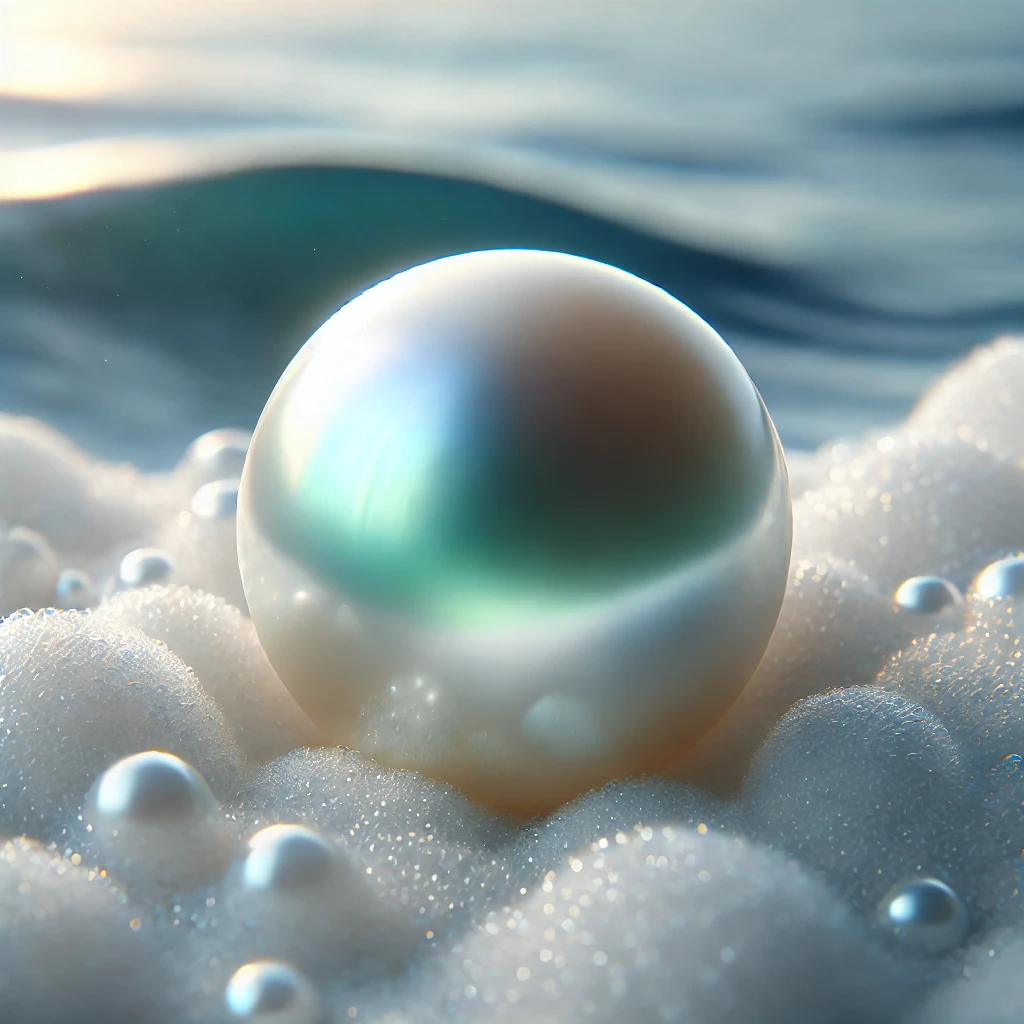
What is Sea Purl?
Sea purl is a rare marine formation often found along coastal waters, primarily in regions rich in mollusks, corals, and seaweed. It resembles delicate pearl-like structures, sometimes forming on shells or within intricate seaweed growths. Its shimmering quality and unique texture make it a fascinating subject of marine study and admiration.
Habitat and Formation
Sea purl is commonly discovered in shallow tidal zones and coral reefs, where the right combination of minerals, organic materials, and oceanic conditions foster its delicate growth. It thrives in temperate and tropical waters, particularly in areas with a slow-moving current, allowing for sediment buildup and mineral crystallization.
Uses and Historical Significance
Historically, sea purl has been valued in various cultures for its decorative appeal. In ancient times, it was used as an adornment for jewelry, clothing, and even ceremonial objects. Some coastal communities believed it held protective or mystical properties, often incorporating it into amulets or charms.In modern times, sea purl is sometimes used in eco-friendly jewelry and artisanal crafts, though its delicate nature makes it challenging to harvest and preserve. Its rarity and shimmering beauty continue to captivate collectors, marine enthusiasts, and artisans alike.
Conservation and Sustainability
Due to its fragile nature and dependence on healthy marine ecosystems, sea purl is susceptible to environmental threats such as pollution, habitat destruction, and climate change. Conservation efforts focus on protecting coral reefs, reducing oceanic pollution, and promoting sustainable marine practices to ensure the continued existence of such delicate oceanic formations.
The term “sea purl” does not correspond to a recognized gem or marine formation in available literature. If you are referring to pearls, particularly those of gem quality, here’s an overview of the leading countries renowned for their pearl production:
Top Pearl-Producing Countries
China
Contribution: Dominates the global market by producing approximately 95% of the world’s freshwater pearls.
Regions: Primarily in Zhejiang and Jiangsu provinces.
Characteristics: Offers a diverse range of shapes, sizes, and colors, making pearls accessible and versatile for various jewelry
Japan
Specialty: Renowned for Akoya pearls, celebrated for their exceptional luster and near-perfect roundness.
Historical Significance: Pioneered pearl cultivation techniques in the early 20th century, setting industry standards for quality.
Australia
Focus: Leader in producing South Sea pearls, particularly the white varieties.
Production Volume: Produces nearly three tonnes annually, holding a market share of almost 50% in South Sea pearl value.
Notable Regions: The Kimberley region in the northwest is ideal for pearl cultivation due to its pristine waters and nutrient-rich environment.
Philippines
Specialization: Known for golden South Sea pearls, with production centered around Palawan Island.
Contribution: Accounts for about 15% of the world’s South Sea pearl production, approximately 3,700 pounds annually.
Myanmar (Burma)
Reputation: Produces high-quality South Sea pearls, particularly noted for dark gold hues.
Leading Producers: Companies like Niino Pearl Culturing Co and Orient Pearl Myanmar are recognized for their gem-grade pearls.
Indonesia
Output: Produces both white and golden South Sea pearls.
Pearl Sizes: Typically ranging from 8 to 14mm, with colors including lustrous white, pink, and grey.
Vietnam
Emerging Market: Known for Akoya pearls, including rare blue varieties.
Areas: Notable farms in Ha Long Bay and Phu Quoc Island.
Annual Output: Estimated around 2,000 kilograms.
Sri Lanka
Historical Significance: Famed since ancient times for pearls from the Gulf of Mannar.
Cultural References: Mentioned in historical texts and associated with treasures like the ‘Southern Cross’ pearls in the Vatican.
Pearl Quality Factors
When evaluating gem-quality pearls, several factors are considered:
Luster: The deep, mirror-like reflection on the pearl’s surface.
Surface Quality: The presence or absence of blemishes or irregularities.
Shape: While round pearls are highly prized, other shapes like oval, button, and baroque have unique appeals.
Color: Varies by type and origin, with hues ranging from white and cream to gold and black.
Size: Measured in millimeters; larger pearls are rarer and often more valuable.
Contact Information:
For inquiries, please reach out to us at:
Sri Lanka: +94740284059
India: +91 80099 53003
USA (Call/SMS): +1 234 529 2473
Email: usa@thaitradezone.com
Website: www.thaitradezone.com