
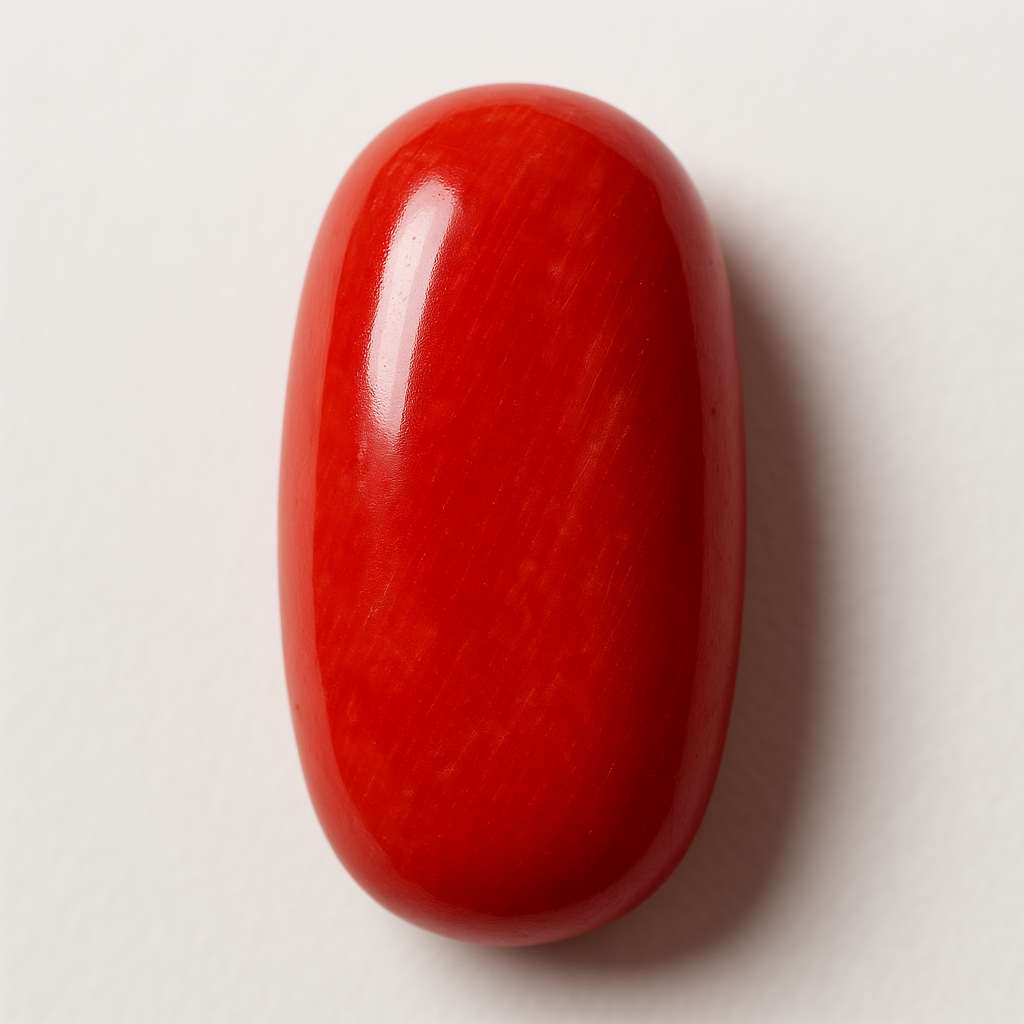
Coral red gemstones, known for their striking hue that resembles the vibrant colors of coral reefs, have been treasured for centuries. Unlike traditional minerals, coral is an organic gemstone formed from the skeletons of marine corals. Its rich, warm tones make it a popular choice for exquisite jewelry pieces, including necklaces, bracelets, and rings. Not only is coral red visually captivating, but it is also often associated with vitality, strength, and passion—making it a powerful addition to any jewelry collection.
The Quality of Coral Red Gemstones
The quality of coral red gemstones is determined by several factors, which can affect both its value and beauty. Here’s a breakdown of the key qualities to look for:
Color
The most prized coral red gemstones feature a rich, even hue that’s often referred to as “red coral.” While the shades can range from a bright, fiery red to a deeper, darker tone, the most valuable pieces have vibrant and consistent coloring. The deeper and more vivid the hue, the higher the value.
Surface Quality
A smooth, flawless surface is essential for high-quality coral. Stones with visible cracks or imperfections are considered less desirable. Coral with minimal blemishes and a pristine surface is always more sought after.
Size
Larger pieces of coral are rarer and more valuable. In fact, the size of the gemstone directly impacts its desirability, with larger, high-quality corals being especially coveted for fine jewelry.
Luster
High-quality coral should have a polished, glass-like finish that enhances its natural beauty. Dull or cloudy coral lacks the vibrant luster that collectors and jewelers seek.
Shape
Coral can be cut into various shapes, but symmetrical forms (such as round or oval) are often considered more attractive. These cuts allow the gemstone’s color to be showcased most effectively in jewelry.
Mining Countries
Coral red gemstones are primarily sourced from the Mediterranean Sea, particularly along the coastlines of Italy, Tunisia, and Spain. Mediterranean red coral is considered the finest, prized for its deep, rich color and smooth texture. Other notable sources include Japan, where both red and pink varieties of coral are harvested, as well as the Pacific Ocean, where coral is carefully sourced using sustainable methods.
Mediterranean coral, in particular, is often referred to as the gold standard due to its unparalleled quality and rich coloring.
The Art of Cutting Coral
Due to coral’s organic nature and relatively soft consistency compared to traditional gemstones (it ranks 4 to 5 on the Mohs scale of hardness), it is usually shaped into smooth cabochons or beads. This helps preserve the natural beauty of the stone while highlighting its vibrant hue. Skilled artisans also carve coral into intricate shapes, making it a popular choice for creating unique, statement jewelry pieces.
However, coral’s softness also means it requires extra care during cutting and setting. Because it is delicate, handling coral during the cutting process must be done with precision to prevent breakage. When cared for properly, coral can last for generations and even develop a beautiful patina over time, adding to its charm.
Caring for Coral Red Gemstones
While coral red gemstones are stunning, they do require careful handling. Due to its relatively soft nature, it can be scratched or damaged if not treated with care. To ensure longevity, it’s important to store coral jewelry away from harsh chemicals, excessive sunlight, and extreme temperatures. Regular cleaning with a soft cloth can help maintain the gemstone’s natural luster.
5 to 25 carat available
for inquiry contact
Sri Lanka: +94740284059
India: +91 80099 53003
USA Call/SMS: +1 234 529 2473
Email: usa@thaitradezone.com
Website: www.thaitradezone.com